

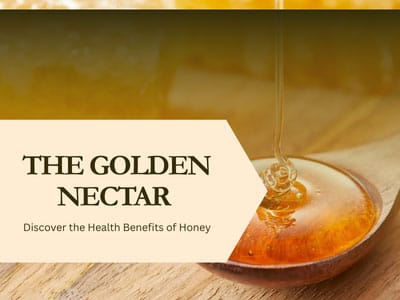
The Golden Nectar: Discover the Health Benefits of Honey
Honey is not merely a sweetener; it is a divine food described in the Holy Quran as a “healing for mankind” and a complete diet. Since ancient times, honey has been revered as both a nutritious food and a powerful medicine.
Honey is a natural powerhouse packed with vitamins (like B6, thiamine, niacin, riboflavin), minerals (including iron, calcium, phosphate, sodium, potassium, magnesium), amino acids, and powerful antioxidants. Its unique composition is what grants it extraordinary health properties.
- A Natural Energy Booster: The natural sugars (fructose and glucose) in honey are easily absorbed by the body, providing an immediate and sustained energy boost. This makes it an excellent alternative to processed sugars for athletes or anyone needing a quick pick-me-up.
- A Soothing Remedy for Coughs and Sore Throats: Honey is a time-tested, effective cough suppressant. Its thick consistency coats the throat, providing relief from irritation. Its antimicrobial properties can also help fight the infection causing the cough. A mixture of honey with warm water and lemon or ginger is a classic remedy.
- A Healer of Wounds and Burns: Honey’s antiseptic and antibacterial properties prevent infection. It also maintains a moist wound environment, promotes tissue regeneration, and reduces inflammation, which helps accelerate the healing of burns, wounds, and ulcers.
- An Aid for Digestive Health: Honey can help soothe the digestive tract. It is a mild prebiotic, promoting the growth of good bacteria in the gut, which is essential for healthy digestion and a strong immune system. It may also help relieve minor indigestion.
- A Guardian of Heart Health: The antioxidants in honey, particularly flavonoids, are linked to improved heart health. They may help reduce blood pressure, improve cholesterol levels (by lowering “bad” LDL and raising “good” HDL), and prevent the oxidation of cholesterol, which is a risk factor for heart disease.
Important Note: Honey is a form of sugar and should be consumed in moderation. It is also not recommended for children under one year of age due to the risk of infant botulism.
Additional Information and Scientific Context
To complement the points above, here is further detail based on modern research:
- Antioxidant Powerhouse: The key antioxidants in honey, such as phenolic acids and flavonoids, help combat oxidative stress in the body, which is linked to chronic diseases, aging, and certain cancers. Darker-colored honeys typically contain higher antioxidant levels than lighter varieties.
- Natural Antibacterial Agent: Honey’s ability to fight bacteria is due to several factors:
- Low pH: Its acidic nature inhibits bacterial growth.
- High Sugar Content: It draws moisture out of bacteria, dehydrating and killing them.
- Hydrogen Peroxide: An enzyme in honey slowly releases low levels of hydrogen peroxide, a known antiseptic.
- Unique Compounds (in Manuka Honey): Manuka honey contains Methylglyoxal (MGO), giving it exceptionally strong and stable antibacterial properties recognized in clinical settings.
- Potential Blood Sugar Management: While honey is a sugar, some studies suggest it may have a slightly more favorable effect on blood sugar levels compared to regular table sugar (sucrose), thanks to its fructose and antioxidant content. However, people with diabetes must still consume it cautiously and under medical advice.
- Skin Health and Beauty: Due to its moisturizing, antibacterial, and anti-inflammatory qualities, honey is a star ingredient in natural skincare. It can be used in face masks to help cleanse, moisturize, and soothe skin conditions like acne or mild eczema.
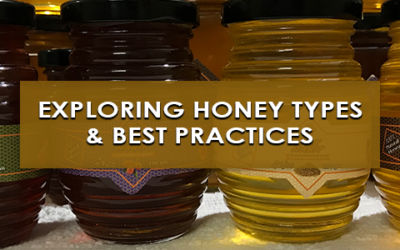
- Choosing the Right Honey:
- Raw, Unfiltered Honey: This is the least processed form and retains the most nutrients, enzymes, and antioxidants.
- Manuka Honey: Sourced from New Zealand, it has a certified Unique Manuka Factor (UMF) rating that guarantees its potency for medicinal use.
- Be cautious of highly processed, commercial honeys, which may be filtered or heated to the point that many beneficial compounds are lost, and sometimes even adulterated with sugar syrups.
Practical Summary Table
| Benefit | Key Active Properties | Practical Application |
| Cough & Cold Relief | Antitussive, soothes mucous membranes | 1-2 tsp alone or in warm herbal tea. |
| Wound & Burn Healing | Antibacterial, anti-inflammatory, maintains moist environment | Apply medical-grade honey (e.g., Manuka) directly to clean, minor wounds under a bandage. |
| Antioxidant Boost | Flavonoids, phenolic acids | Use raw, dark honey as a sweetener in yogurt, oatmeal, or smoothies. |
| Digestive Aid | Prebiotic, mild antiseptic | Consume a small amount regularly or mix with warm water. |
| Energy Source | Easily digestible fructose & glucose | Eat a spoonful before or during prolonged exercise. |
In conclusion, honey is a remarkable gift from nature. By choosing high-quality, raw honey and using it wisely, you can incorporate a powerful, natural supplement into your diet for both its delightful taste and its wide array of health-promoting properties.






Leave a Reply
You must be logged in to post a comment.